Theme, Emphasis, and Simplicity

Wendy Folse with Kris Butler

Oct 25, 2005

For truly artistic results, theme, emphasis, and simplicity are the three paramount guidelines to keep in mind when composing your photographs. All three help to focus attention on the subject and express your artistic vision. So, how do you go about expressing your vision of the subject using these guidelines? Let's take a look.

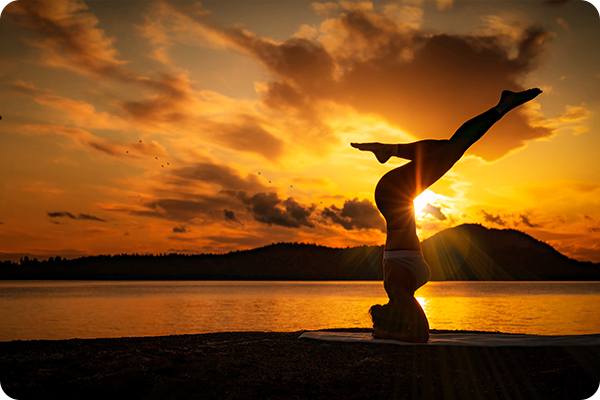
Photo by Linda D. Wilson of Las Vegas, NV, USA.

Theme

Ask yourself these questions: What is the universal message of this photograph? What does it imply? What does it say? What kind of statement am I making as the photographer? Is it about love, childhood, parents, or growing old? Is it about the beauty of nature, or the ugliness of poverty? What makes this photo worth taking? Why do I want to take this photo?

Theme is what makes a photograph different from a snapshot. Theme is what makes a timeless image. It is what moves and inspires the viewer to look at the photograph again and again. Theme is what makes a person want to hang a photograph on the wall, not bury it in a shoe-box.

Emphasis

What is the subject? Where is the subject? Where should the viewer look? What is important? There are many techniques used to show emphasis. As the photographer, you can show emphasis through framing choice, whether by using a vertical or horizontal format. Or, by showing emphasis in the placement of the subject, governed by the rule of thirds. Or, by using selective focus to simplify the background. Or, by drawing the viewers attention to a certain spot within the frame using perspective.

Simplicity

A great photographer works to simplify each composition by ensuring that nothing in the viewfinder competes or distracts from the subject. He looks to see that nothing in the photograph weakens the theme. Everything visible in the photograph helps to support the theme and the background does not distract from the subject but adds to the composition. Here are some ways you can do this, too.

The use of selective focus and depth of field are two great ways of simplifying any image. If the background is not important, using a large aperture will render it out of focus. This technique is great for getting rid of busy or cluttered backgrounds. How much out of focus? That depends on the theme and what the background does to support it. If the background is totally irrelevant, then it should be out of focus as much as possible. If the background helps to reinforce the theme, then it should be out of focus to a degree that it does not distract from the subject but adds to the scene.

For example, in a landscape of the Grand Canyon, nothing should be out of focus. The subject is the landscape and the theme is the grandeur. However, if the subject is three friends on a trip to the Grand Canyon, then the landscape is the background and the subject is the three friends. The background should add to, but not compete with, the subject. Here the background should be just out of focus enough to diminish it slightly, but it should still be recognizable as the Grand Canyon. The message or theme is, "look at my three friends on their vacation to the Grand Canyon," not "look at the three tourists blocking my view of the Grand Canyon." Two very different photos, two very different themes.

World through the viewfinder

Rule of Thirds

Think of the viewfinder as being divided into three equal parts, either horizontally or vertically depending on the composition. Each section of the photograph should contain some information relating to the theme or subject. Does this mean that the subject must be placed dead center?

No. A subject can be placed in one-third and the other two-thirds used to balance the image. For example, if you were shooting a picture of an orchestra leader in action, the conductor could be placed in one third of the image with the other two-thirds left blank. The viewer would rightly assume the blank space was occupied by the orchestra even if they cannot be seen. The space then becomes just as important as the subject.

Where the photographer chooses to place the subject in the viewfinder depends on what the subject and theme of the photograph will be. What is the photographer placing emphasis on? Is it size? Is it detail? Is it beauty? Shape? Form? Action? Is the subject moving into or out of the frame? Is it motionless? All of these questions are answered for the viewer by where the photographer chose to place the subject.

Take a look at this example graphic of a football quarterback. He has been placed in the leftmost third of the frame and is looking with ball in hand out over the empty space where there are no distracting elements to draw our attention away from him. The theme could be said to be choice and the press of time to make a choice.

He is in the moment of preparing to throw or maybe deciding to run or perhaps getting sacked or fumbling the ball. What is important is that it is all about him and his actions and his choices. A theme which is strengthened by emphasis and simplicity, and further supported by a conscious use of the rule of thirds. These are the elements that will help you take truly amazing photographs, no matter what your subject.


Credits

Original article edited and republished with the permission of the author, Wendy Folse, as well as Photography Composition Library.

See original article here.